Innovative Fishing Gear Trends You Need to Know About in 2026
In 2026, the angling landscape is geared for transformation with the launch of advanced equipment. Smart fishing poles will feature sensors for real-time information, while AI-driven fish locators ensure superior imaging features. Green materials are solidifying as the foundation, integrating technological progress with sustainability. As these movements emerge, fishing enthusiasts will encounter navigating a revolutionary phase of sport fishing. What implications might these advancements present for both enthusiasts and the environment?
The Rise of Intelligent Fishing Equipment
With technological innovation occurring, the fishing industry is undergoing the appearance of smart fishing rods that enhance the angling experience. These innovative tools blend sensors and connectivity features, permitting anglers to observe various values in immediate time. Smart rods can track casting distance, sense bites, and even deliver feedback on technique, making fishing highly satisfying and streamlined.
In addition, numerous variants are equipped with mobile apps that aggregate information, facilitating anglers to review their performance and optimize their methods. This incorporation of technology not only appeals to expert anglers but also brings in beginners desiring a more engaging experience. As smart fishing rods increase in popularity, companies are dedicating resources to improving durability and simplicity of use, ensuring they can withstand the stresses of outdoor pursuits. In the final analysis, these advancements signify a shift in how angling is approached, merging traditional skills with modern technology for a more informed angling adventure.
What Novel Capabilities Do Fish Finders Offer?
While conventional fish finders have been critical tools for anglers, recent breakthroughs are transforming the technology into more cutting-edge devices that improve the fishing experience. The latest models now include capabilities including high-definition imaging, which provides clearer underwater views, allowing anglers to better identify fish species. Moreover, many fish finders are including GPS mapping capabilities, helping users to track productive fishing spots and move accurately.
Wireless connectivity is also transitioning into standard, allowing real-time data distribution with smartphones or tablets. This innovation helps anglers acquire updates on water conditions and fish activity, enhancing strategic planning. Additionally, some devices now utilize artificial intelligence to analyze fishing patterns and suggest ideal times and locations for fishing. Overall, these upgrades not only improve the effectiveness of locating fish but also augment the overall fishing experience, making it more engaging and data-driven for enthusiasts.
How Wearable Tech Is Revolutionizing Fishing
Smart wearable devices are altering the fishing experience by blending smart rod sensors and wearable fish finders. These innovations permit anglers to watch their catch in live while also monitoring their health metrics. As this technology improves, it promises to strengthen both performance and safety on the water.
Cutting-edge Rod Detector Systems
Smart rod sensors are transforming the fishing experience by incorporating cutting-edge innovations into conventional equipment. These devices utilize sensors to track various parameters, such as water temperature, depth, and even the activity patterns of fish. By delivering instant information, anglers can determine effective choices about their angling approaches, enhancing their likelihood of catching fish. Smart rod sensors connect seamlessly with smartphone apps, allowing users to monitor their fish, analyze patterns, and exchange insights with fellow fishermen. Additionally, some models feature alerts for when a fish is striking, guaranteeing that no chance is missed. As fishing progresses, these advanced instruments are growing increasingly important for both beginner and seasoned fishermen, reshaping the way they engage with the sport.
Portable Fish Finders you can wear to discover fish effortlessly
As fishermen strive to boost their time fishing, wearable fish finders are surfacing as a groundbreaking technology. These tools, commonly placed on the wrist or woven into clothing, supply live data on fish locations, water temperature, and depth. By using advanced sonar technology, they provide vital insights straight to the angler, enabling smarter decision-making. Wearable fish finders often sync with smartphones, allowing users to monitor their fishing habits and share information with other anglers. This innovation not only increases the efficiency of fishing trips but also elevates the overall enjoyment of the sport. As convenience and effectiveness demands grow, wearable fish finders are set to redefine how anglers approach their time on the water.
Wellness Monitoring Devices
Health tracking instruments are changing the fishing activity by enabling anglers to track their physical well-being while enjoying their time on the water. These wearable technologies supply real-time data on heart rate, hydration levels, and activity tracking, allowing fishermen to optimize their health during long trips. Many devices also feature GPS functionality, assisting users in navigating unfamiliar waters while keeping an eye on their physical exertion. As anglers spend hours casting lines, being mindful of their body’s signals can prevent fatigue and boost overall performance. Additionally, some health trackers offer integration with fishing apps, delivering insights into how physical activity correlates with fishing success. This combination of health monitoring and fishing is creating a more comprehensive approach to the outdoor experience.
Sustainable Fishing Equipment Materials designed to be green for fishermen who want to minimize their ecological footprint. The products feature naturally breaking down materials and renewable sources. Premium fishing gear crafted from nature-conscious materials helps protect water ecosystems.
While the commercial fishing sector has historically depended on synthetic materials, a rising attention on environmental stewardship is catalyzing the adoption of sustainable fishing gear materials. Manufacturers are actively moving toward biodegradable plastics, repurposed fiber content, and natural substances like hemp and bamboo. These materials not only reduce environmental impact but also enhance the durability and performance of fishing gear.
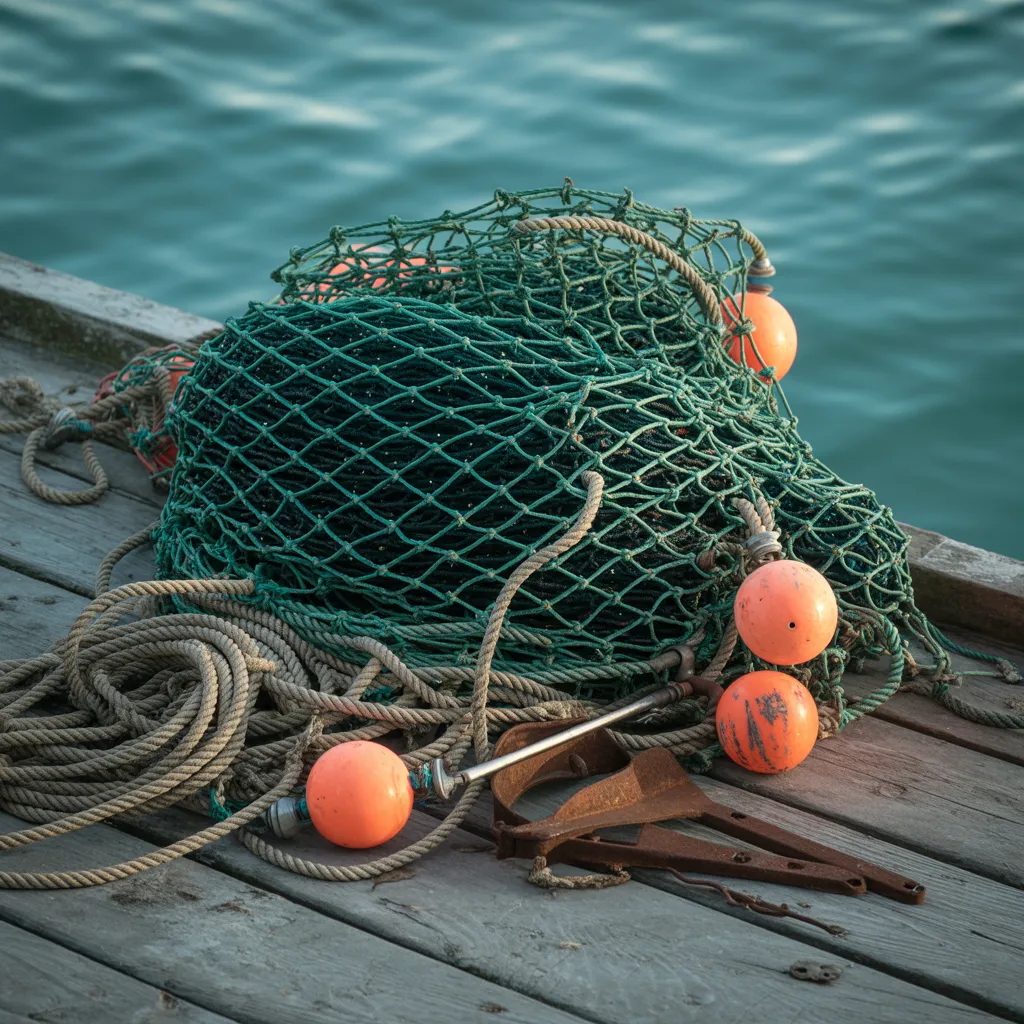
For example, biodegradable fishing nets are designed to break down harmlessly if lost, minimizing marine pollution. Furthermore, companies are integrating recycled materials in their tackle boxes and lines, significantly decreasing on waste. Innovations in plant-based coatings for fishing rods and reels are also becoming popular, offering a non-toxic alternative to traditional finishes.
With growing consumer demand for sustainable products, the fishing industry is set to continue evolving, establishing a sustainability culture that supports conservation efforts and supports healthier aquatic ecosystems.
Key Fishing Tackle Improvements for 2026
As the angling sector develops, tackle innovations are influencing the future of angling. Intelligent rod systems are emerging, offering enhanced connectivity and data tracking for better angling experiences. Furthermore, the integration of sustainable materials is becoming a standard practice, reflecting a growing commitment to sustainability in fishing gear.
Smart Rod Technologies delivers advanced services for current industries. This company furnishes superior systems that enables businesses reach their goals.
How can fishermen enhance their fishing experience in 2026? Intelligent fishing rod systems are opening doors for a more user-friendly and effective approach to fishing. These advanced rods are fitted with detection devices that provide live information on aquatic environments, fish behavior, and even the optimal bait selection. By syncing with mobile devices via Bluetooth, fishermen can access comprehensive data, including bite detection notifications and weather updates. Additionally, some smart rods feature integrated GPS, assisting fishermen monitor successful fishing spots and trends throughout the season. Through these advancements, anglers are empowered to choose wisely on the water, eventually increasing their chances of a successful catch. As technology advances, the fishing experience grows increasingly integrated and informative.
Environmentally Responsible Materials Use
What if the upcoming phase of fishing tackle was built around sustainability? In 2026, green materials are ready to revolutionize the fishing gear industry. Manufacturers are increasingly using biodegradable plastics, recycled metals, and organic fibers, reducing reliance on harmful materials. Innovations in biopolymer technology allow for durable yet environmentally safe tackle options, ensuring less pollution in aquatic ecosystems. Moreover, sustainable sourcing is becoming standard, as firms put ethical production practices first. This change not only tackles environmental issues but also attracts a rising group of eco-aware anglers. As fishing communities embrace these advancements, the trend toward sustainable materials signifies a commitment to preserving water habitats for future generations, ultimately enhancing the overall fishing experience.
The Methods Technological Progress Bolster Sustainable Fishing
Innovations in angling equipment are transforming sustainable practices within the industry. Advanced technologies, such as smart nets equipped with sensors, allow fishers to track bycatch and target specific species, substantially decreasing the ecological footprint. These nets can self-seal when unwanted catches are identified, supporting the preservation of ocean life diversity.
Additionally, biodegradable hooks and lines are becoming more widespread, lessening the ecological impacts connected to standard fishing equipment. Similarly, the incorporation of renewable energy sources, such as solar-powered fish finders, lowers reliance upon fossil fuels, additionally strengthening sustainability.
Additionally, advanced tracking systems facilitate better information capture, promoting responsible fishing quotas and environmental safeguarding. By embracing these innovative tools and technologies, fishers are simultaneously advancing their operational methods but also supporting the future vitality of aquatic ecosystems. As these technological improvements evolve continuously, they promise a more sustainable trajectory for the seafood production sector.
Selecting Your Ideal Fishing Gear
Choosing the proper fishing gear can significantly improve the overall angling adventure. Fishermen should begin by considering their specific angling location—whether it's fresh water or saltwater, streams, lakes, or oceans. Each setting demands different gear. Subsequently, the choice get the full story of fishing rod and reel is essential; lightweight fishing rods and smooth reeling mechanisms often yield improved command and accuracy.
Line strength and category also constitute, with braided lines supplying durability and monofilament supplying adaptability. Bait choice should correspond to the targeted fish species, with choices ranging from live bait to man-made lures.
Additionally, comfort and convenience should not be overlooked. Features including soft-grip handles and adjustable lengths can strengthen the user experience. Ultimately, committing to quality equipment not only enhances performance but also advances environmental stewardship by limiting garbage. By carefully evaluating these factors, anglers can tailor their gear to maximize enjoyment and success on the water.
Questions That Are Often Requested
How Do I Keep My Smart Fishing Rod?
To maintain a smart fishing rod, regularly wash it with fresh water, inspect for damage, ensure electronics are operating correctly, and place it in a cool, dry space to extend its lifespan and performance.
Are There Apps That Are Compatible With New Fish Finders?
Yes, numerous software are functional with new fish finders, improving functionality through options like mapping, instant information exchange, and social networking. Popular choices include Fishbrain, Navionics, and Humminbird's FishSmart, serving to multiple fishing requirements.
What's the Price Range for Wearable Fishing Tech?
Wearable angling equipment generally costs from $50 to $300, determined by capabilities and maker. Top-tier models might deliver advanced tracking, weather updates, and connectivity, whereas economical choices center on basic functionalities for part-time fishers.
How Can I Recycle Old Fishing Gear Materials?
Old fishing gear materials can be reused by repurposing nets into bags, giving rods to community groups, or using dedicated recycling services that take plastic and metal components, advancing environmental responsibility within the fishing community.
Where Is It Possible Examine New Angling Equipment Innovations?
You can test new tackle advancements at regional fishing shows, specialty tackle shops, or through manufacturer-sponsored events. Additionally, fishing communities online and in forums often share options to test products and view demos.